
Rumah / Berita / Berita Industri / Bagaimana Stator Motor Pompa Air dan Inti Rotor berinteraksi dengan sistem pendingin, seperti wadah berpendingin cairan atau udara, untuk menjaga keseimbangan suhu optimal selama pengoperasian intensif?
Bagaimana Stator Motor Pompa Air dan Inti Rotor berinteraksi dengan sistem pendingin, seperti wadah berpendingin cairan atau udara, untuk menjaga keseimbangan suhu optimal selama pengoperasian intensif?
-
Efisiensi Perpindahan Termal dan Dinamika Pembuangan Panas :
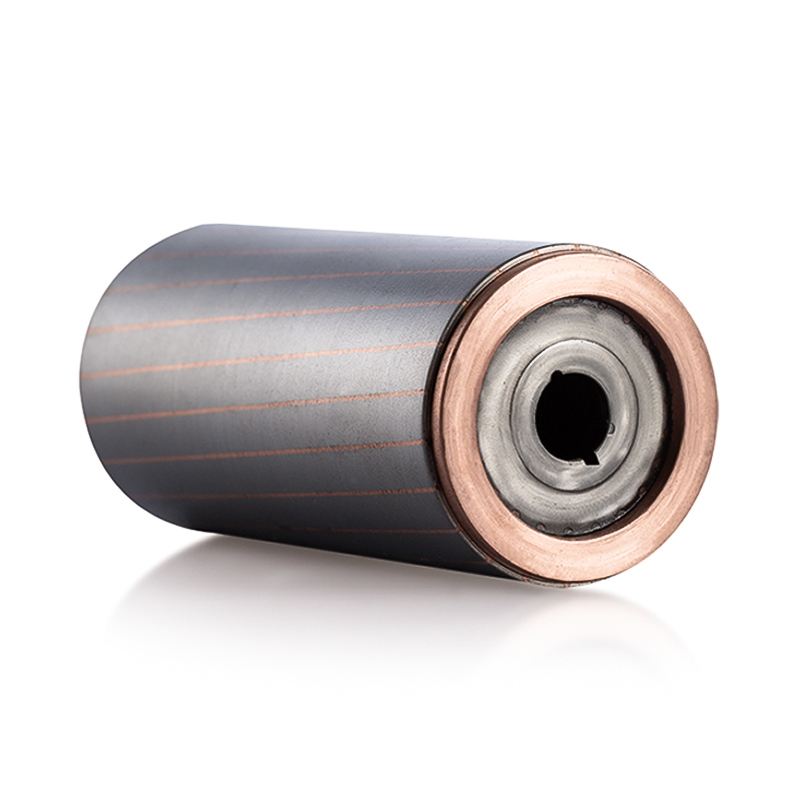
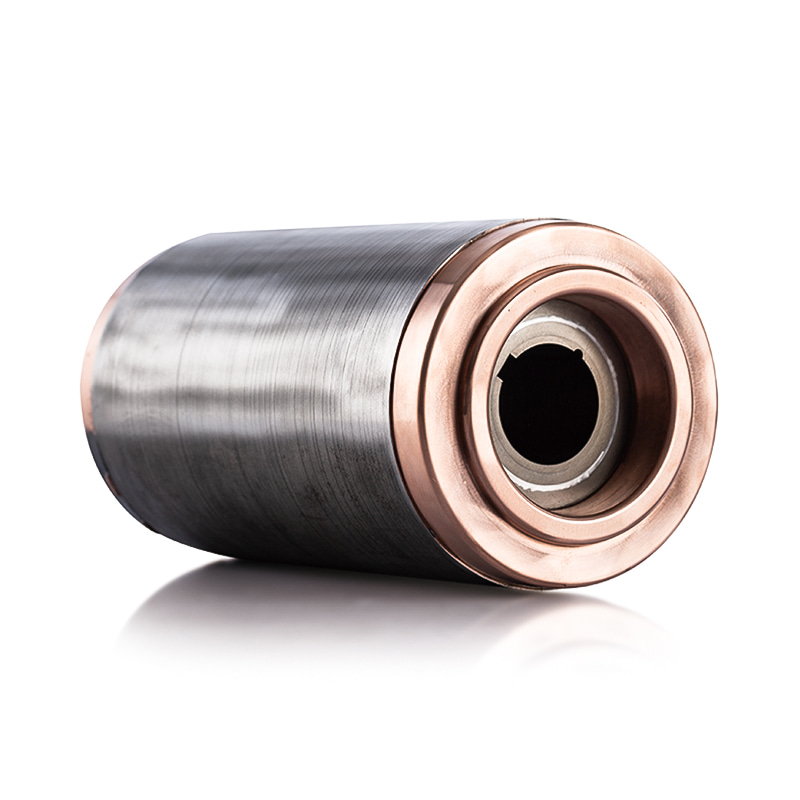
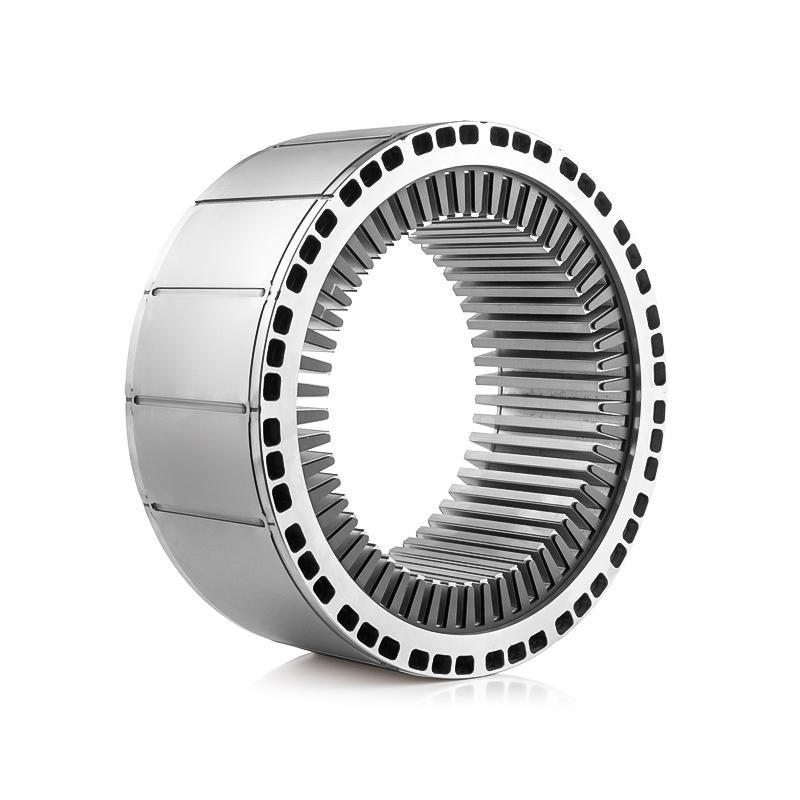
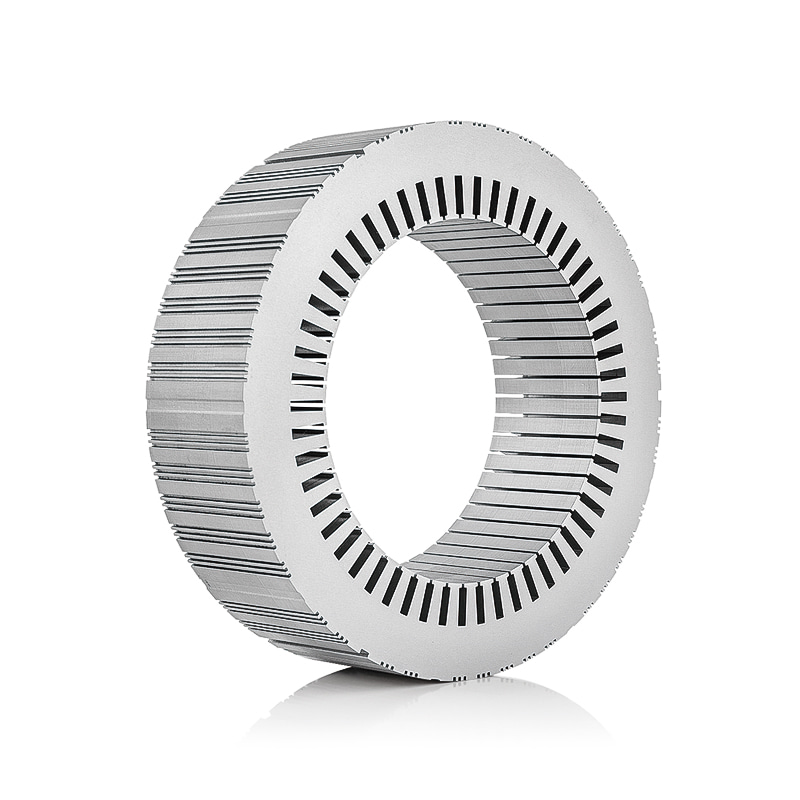
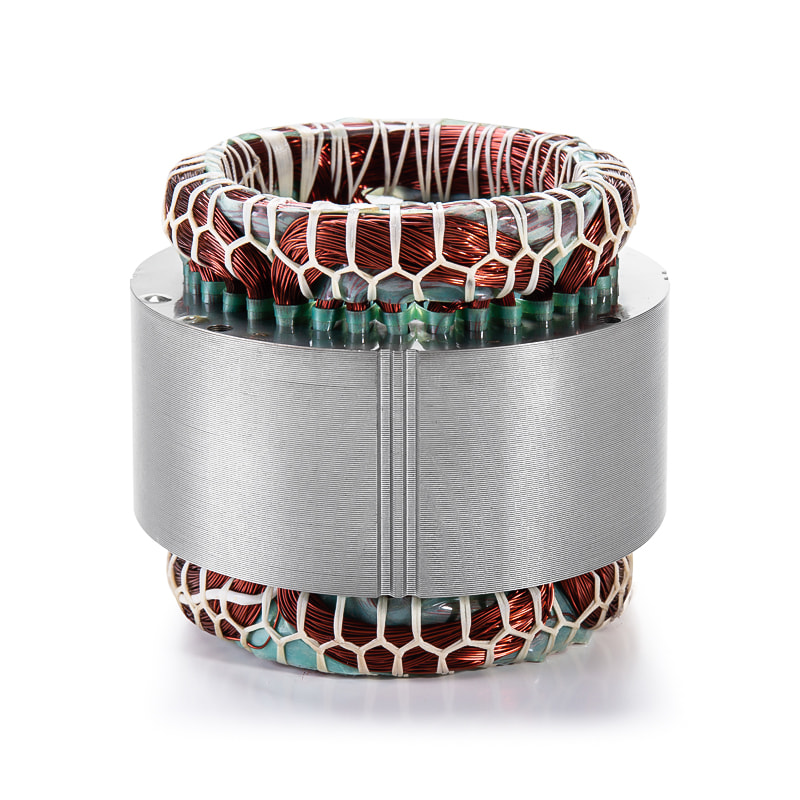
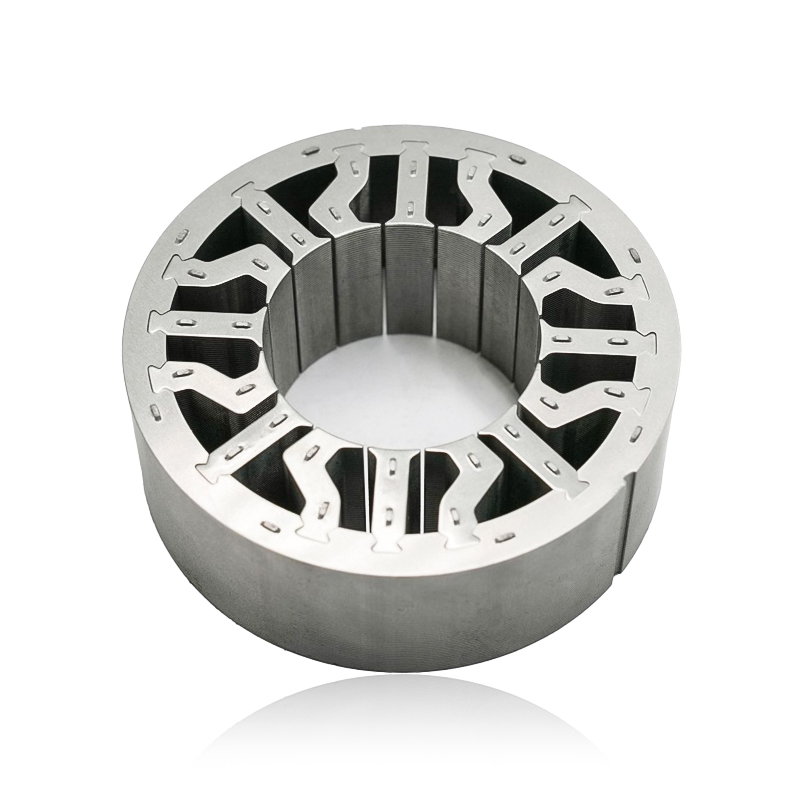
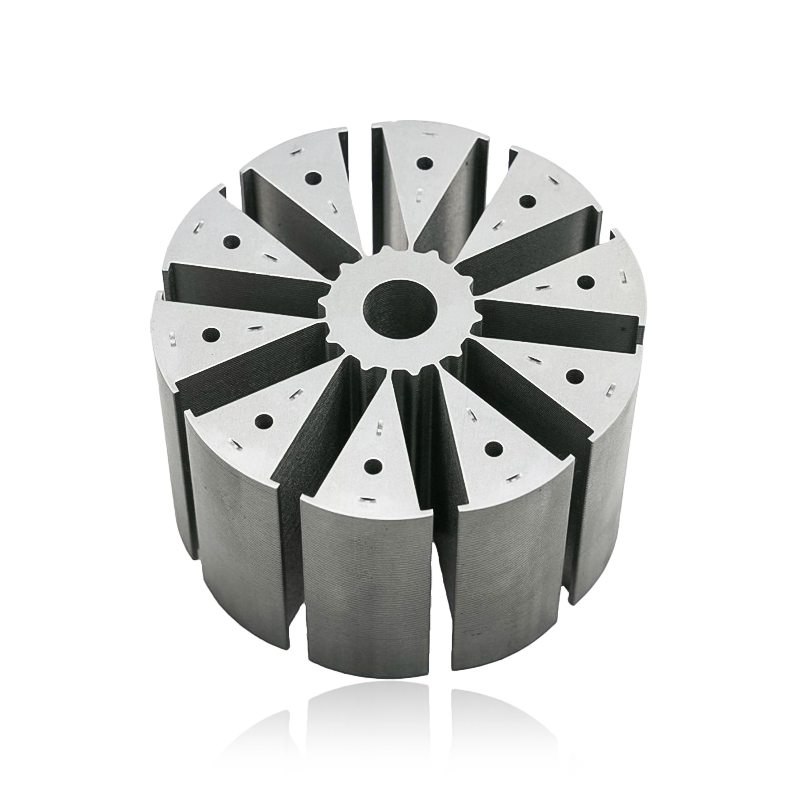
Itu Stator Motor Pompa Air dan Inti Rotor terus menerus terkena panas yang dihasilkan selama eksitasi medan magnet dan aliran arus. Pembuangan panas yang efisien sangat penting untuk mencegah demagnetisasi atau degradasi insulasi. Inti terdiri dari baja silikon laminasi berkualitas tinggi dengan konduktivitas termal yang unggul, memastikan perpindahan panas yang cepat dari sirkuit magnetik. Ketika dipasangkan dengan housing berpendingin cairan, cairan pendingin mengalir melalui saluran terintegrasi yang langsung menghubungi zona bersuhu tinggi, sehingga mendorong distribusi termal yang merata. Dalam sistem berpendingin udara, penyertaan jalur ventilasi yang dioptimalkan dan sirip pembuangan panas membantu memaksimalkan aliran udara di sekitar rakitan stator dan rotor. Hasilnya adalah gradien suhu terkendali yang mencegah titik panas dan menjaga keseragaman kinerja magnetik motor. -
Desain dan Rekayasa Jalur Pendinginan :
Itu layout of the cooling system determines how effectively the Water Pump Motor Stator and Rotor Core can maintain stable operating temperatures. In liquid-cooled designs, internal cooling jackets or spiral channels are positioned close to the stator windings and rotor shaft to ensure efficient convection and minimize heat accumulation. Advanced computational fluid dynamics (CFD) modeling is often employed to simulate flow velocity, turbulence, and temperature gradients within these channels. For air-cooled configurations, engineered fan systems or forced ventilation ducts are designed to direct air evenly across the stator slots and rotor periphery, reducing localized heating and maintaining consistent motor torque. The overall goal of both designs is to preserve the electromagnetic balance and reduce mechanical strain caused by temperature variations. -
Kompatibilitas Material dan Koordinasi Ekspansi Termal :
Itu interaction between the Water Pump Motor Stator and Rotor Core and the cooling system materials must account for differences in thermal expansion. The motor components, including laminations, copper windings, and insulation layers, expand at varying rates under heat. Improper management of these differences can lead to mechanical stress, misalignment, or even cracking. Engineers use precise material selection and dimensional tolerances to ensure that all parts expand uniformly under operational temperatures. Thermal interface materials (TIMs) and specialized adhesives with high thermal conductivity but low expansion coefficients are used between the stator core and cooling surfaces to facilitate consistent contact and reduce vibration-related heat buildup. This balance prevents mechanical deformation and ensures the rotor’s concentric alignment with the stator bore remains intact throughout operation. -
Pelestarian Stabilitas Fluks Elektromagnetik dan Magnetik :
Itu magnetic efficiency of the Water Pump Motor Stator and Rotor Core is directly affected by temperature. As temperature increases, magnetic permeability may decrease, resulting in reduced flux density and lower torque output. An effective cooling system stabilizes these thermal conditions, allowing magnetic domains to maintain consistent alignment. This stability translates to uniform torque generation, reduced electrical losses, and minimal rotor imbalance. Modern insulation coatings on stator laminations help reduce eddy current losses by maintaining electrical isolation even under elevated temperatures, further supporting electromagnetic efficiency. -
Integrasi dengan Sistem Pemantauan dan Kontrol Termal Tingkat Lanjut :
Untuk meningkatkan keandalan Stator Motor Pompa Air dan Inti Rotor, sistem motor kontemporer mengintegrasikan sensor termal dan kontrol elektronik di dalam belitan dan rumah stator. Sensor-sensor ini secara konstan memonitor suhu di berbagai titik, memasukkan data ke dalam algoritma kontrol real-time. Ketika panas berlebih terdeteksi, sistem secara otomatis menyesuaikan intensitas pendinginan—dengan meningkatkan laju aliran cairan pendingin atau kecepatan kipas—untuk mengembalikan keseimbangan termal. Dalam aplikasi berperforma tinggi, algoritme kontrol termal prediktif dapat memperkirakan potensi tren panas berlebih berdasarkan kondisi beban dan menyesuaikan pendinginan secara proaktif. Putaran umpan balik yang cerdas ini memastikan kinerja yang konsisten tanpa pemborosan energi atau keausan mekanis yang tidak perlu.
Artikel sebelumnya
Bagaimana geometri gigi dan slot pada Motor Generator Stator dan Inti Rotor mempengaruhi distribusi fluks magnet dan keluaran torsi?
artikel berikutnya
Apa dampak Stator Motor Rail Transit dan Inti Rotor terhadap pengurangan kebisingan dan getaran pada sistem motor angkutan kereta api?
Berita Terkait
-
SEBUAHpa itu Inti Statatau dan Rotor ? Inti Stator A inti stator adalah stasioner komponen motor listrik. Ini adalah bagian yang menampung gulungan tembaga, yang ketika a...
See Details -
Pendahuluan Mobil modern adalah mesin yang kompleks, dan evolusinya didorong oleh inovasi berkelanjutan di setiap komponennya. Meskipun mesin pembakaran internal telah mendominasi industri selam...
See Details -
Pentingnya Pemilihan Material Inti Rotatau dan Statatau pada Motatau Kendaraan Listrik Dalam desain motor kendaraan listrik (EV), pemilihan material merupakan faktor penting yang mempengaruhi ki...
See Details -
Pengenalan statatau motor otomotif dan inti rotor Meningkatnya popularitas kendaraan listrik dan kendaraan listrik hibrida telah membawa kemajuan signifikan dalam teknologi otomotif. Di jan...
See Details